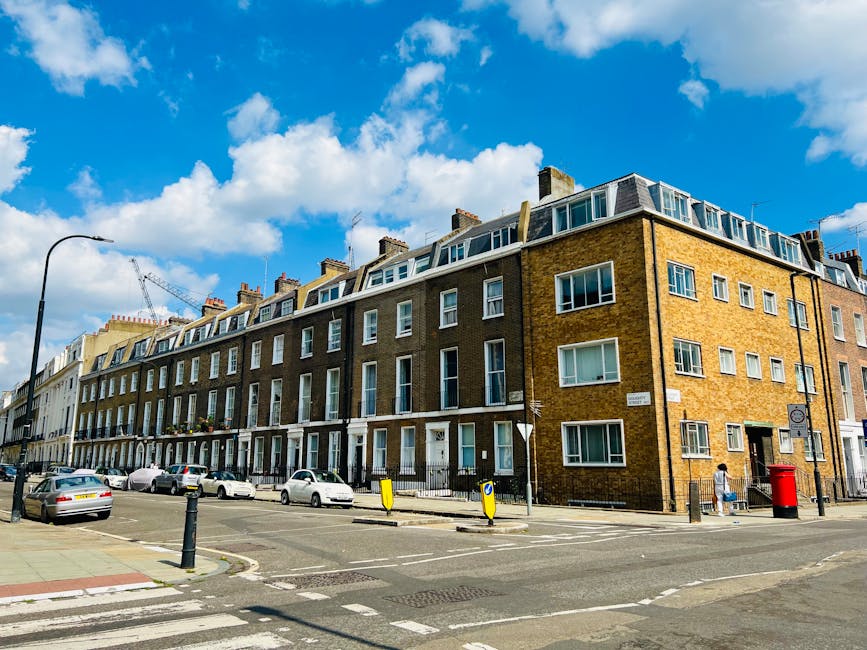
End of tenancy cleaning Upper Street Islington
Posted on 01/05/2026
End of tenancy cleaning Upper Street Islington: a practical guide to moving out cleanly and confidently
Moving out in Upper Street can feel like a small admin marathon. One minute you're sorting boxes, the next you're staring at skirting boards, limescale around the taps, and a fridge you honestly thought was cleaner than that. That's where End of tenancy cleaning Upper Street Islington comes in: it helps you hand the property back in a condition that meets normal letting expectations, reduces avoidable disputes, and makes the final inspection a lot less stressful.
This guide breaks down what end of tenancy cleaning actually involves, why it matters in Islington, how the process works, and what to check before you hand over the keys. If you're a tenant, landlord, or letting agent, you'll find practical advice here rather than vague "clean everything" talk. To be fair, moving is already enough without guessing what a checkout inspector might notice.

Why End of tenancy cleaning Upper Street Islington Matters
End of tenancy cleaning is not just a deeper version of weekly cleaning. It's a reset. The aim is to return the property to a level that reflects fair wear and tear, not the build-up of day-to-day living. In Upper Street, where flats and maisonettes can have compact kitchens, hard-working bathrooms, and a lot of foot traffic from busy city life, dirt tends to settle in those awkward little places you stop noticing after a while.
Let's face it: landlords and managing agents usually compare the property against the inventory and the check-in report. If the oven is greasy, the bathroom has soap scum, or the inside of cupboards hasn't been wiped down, that can lead to avoidable deductions or extra cleaning charges. And nobody wants the final email that starts with "we've noticed several areas requiring attention".
For tenants, a thorough clean can make the handover smoother and support a fair deposit return process. For landlords, it helps present the home properly for the next viewing or move-in. For agents, it reduces friction and keeps turnaround times sane. If you are also looking at broader home upkeep in the area, our domestic cleaning services in Islington and house cleaning options for local homes can be useful next steps.
Key takeaway: the cleaner the handover, the fewer surprises at checkout. That simple.
How End of tenancy cleaning Upper Street Islington Works
A proper end of tenancy clean follows a room-by-room approach. It goes beyond visible surfaces and focuses on the places that are easy to miss: behind appliances, inside cabinets, around taps, along edges, and on high-touch points like switches and handles. The work usually starts with a quick property assessment so the cleaning plan can match the size, condition, and priority areas of the home.
In practice, this usually means:
- dusting and wiping all accessible surfaces
- cleaning kitchens thoroughly, including sinks, splashbacks, cupboards, and appliances
- descaling and sanitising bathrooms
- vacuuming and mopping floors
- cleaning skirting boards, door frames, and light switches
- spot-cleaning marks on walls where appropriate
- freshening internal windows, mirrors, and glass surfaces
Some jobs also need specialist extras such as carpet cleaning in Islington or upholstery cleaning, especially if there are stains, pet odours, or heavy use. If you've had a long tenancy, these add-ons can be the difference between a standard clean and a really satisfactory finish. Truth be told, carpets have a way of telling the whole story.
The best approach is usually to work from the top of the property downwards: cobwebs, shelving, cupboards, appliances, surfaces, floors. That way, dust and debris don't settle on already-clean areas. It sounds obvious, but in real life it saves time and avoids the endless loop of re-cleaning.
Key Benefits and Practical Advantages
The obvious benefit is a cleaner property, but the real value goes beyond appearances.
- Better chance of a smooth deposit return: A professional standard clean helps reduce cleaning-related disputes during checkout.
- Less stress during moving week: You've already got removals, utility changes, and key handover to think about.
- More consistent results: A structured clean covers the details people often miss when they are tired and rushing.
- Faster turnaround for landlords and agents: A clean property is easier to relist or prepare for the next occupant.
- Better presentation of the home: Even a small flat can look noticeably brighter, fresher, and more inviting.
There's also a practical benefit that gets overlooked: cleaning can reveal minor maintenance issues. A leaked tap, damaged sealant, blown bulb, or marked wall is easier to spot once the clutter and grime are gone. That gives you a chance to fix things before they become a bigger disagreement. Handy, really.
If the property is being marketed again soon, it may help to look at the wider service picture through our services overview so you can align cleaning with the rest of the move-out plan.
Who This Is For and When It Makes Sense
End of tenancy cleaning is not only for people leaving a rental. It makes sense for several different situations, and Upper Street has plenty of them because properties here often change hands quickly.
Tenants who are moving out
If you want to leave the place in good condition and avoid avoidable deductions, a proper move-out clean is usually worth it. It matters even more if the inventory was detailed when you moved in.
Landlords preparing for new tenants
Even good tenants leave behind normal signs of living. A reset clean helps the next occupant arrive to a property that feels cared for, not just "vacated".
Letting agents managing short gaps
When turnaround time is tight, a reliable cleaning plan keeps the schedule moving and avoids last-minute panic. And yes, there is usually some panic somewhere.
Shared houses and flatshares
In HMOs or shared rentals, different tenants may have different ideas about what "clean" means. A final clean helps bring everything back to one standard instead of a compromise nobody really enjoys.
Anyone dealing with specialist surfaces or heavy use
Older ovens, tiled bathrooms, fabric sofas, and fitted carpets can all need extra care. In those cases, a standard wipe-down is rarely enough.
If you're deciding whether to move into or out of the area more generally, you may also find this local guide to moving to Islington useful, especially if your move-out is tied to a new move-in. For property owners, the articles on buying and selling property in Islington and Islington real estate buying tips can give broader local context.
Step-by-Step Guidance
If you want the process to go smoothly, treat the clean like a final project with a clear end point. Not glamorous, maybe. Effective, absolutely.
- Check your tenancy paperwork. Look at the inventory, checkout expectations, and any cleaning clauses. Don't rely on memory alone.
- Declutter first. A cleaner can't clean what is still packed in boxes or sitting in cupboards you haven't emptied.
- Defrost and empty appliances. Fridges and freezers need time. Leave this too late and you'll be mopping melted water at 10pm. Not ideal.
- Work from the top down. Start with dusting high surfaces, then move to kitchens, bathrooms, and floors.
- Use the right products. Different surfaces need different care. Harsh cleaners on delicate finishes can create a new problem very quickly.
- Pay attention to high-touch areas. Handles, switches, taps, and remote controls often get forgotten.
- Inspect with natural light if possible. A room can look clean under bright indoor lighting but still show marks by the window at 4pm.
- Take photos once finished. If there's any later question about condition, you'll be glad you did.
A small but useful detail: allow time for drying, especially in bathrooms, carpets, or upholstered furniture. Rushing the final stage can leave a faint damp smell, and nobody wants that lingering while they wait for checkout.
Expert Tips for Better Results
These are the little things that tend to separate an adequate clean from a proper end-of-tenancy result.
- Start earlier than you think you need to. Move-out week always gets busy at the wrong moment.
- Clean the oven first if it's the worst job. Once that is done, everything else feels easier. A tiny morale win, but still a win.
- Lift small items before cleaning shelves and surfaces. Bottles, spice jars, toiletries, and cables hide dust better than you'd expect.
- Open windows where safe and practical. Fresh air helps with drying and general freshness.
- Use microfiber cloths for most surfaces. They're effective and usually leave less lint behind.
- Check the less obvious places. Top of door frames, behind radiators, under beds, and along the edge of kitchen plinths.
One useful local observation: in busy areas like Upper Street, dust and fine grit can build up faster near windows and entry points than people expect. That isn't because the flat is neglected; it's just city living doing its thing.
If your tenancy includes carpets, it may be worth pairing the move-out clean with professional carpet cleaning in Islington. And for fabric sofas or dining chairs, upholstery cleaning can help remove lingering marks and everyday odours.

Common Mistakes to Avoid
Most end of tenancy cleaning issues come from timing, assumptions, or simply missing hidden areas. The good news? These are all avoidable.
- Leaving it until moving day. That's the classic mistake. By then the place is half-empty, you're tired, and the clock is winning.
- Ignoring the inventory report. If the check-in report mentioned a specific item or area, it deserves attention on the way out.
- Forgetting appliances. Ovens, fridges, extractors, and washing machines often carry the biggest cleaning burden.
- Using the wrong products. Bleach on unsuitable surfaces or abrasive pads on delicate finishes can cause damage.
- Assuming "surface clean" is enough. Checkout inspections often look inside cupboards, under sinks, and around edges.
- Skipping proof. Without photos, it becomes harder to show the property was left in good condition.
Another common slip is forgetting the final details that make a room feel finished: bin areas, plug sockets, bath seals, and the tops of skirting boards. Small stuff, yes. But that's often where disputes start.
Tools, Resources and Recommendations
You don't need a mountain of equipment, but you do need the right basics. A sensible kit saves time and stops you improvising with whatever's under the sink.
| Task | Useful tool or product | Why it helps |
|---|---|---|
| General dusting | Microfiber cloths | Lift dust efficiently and reduce streaking |
| Floors | Vacuum and mop | Handles loose dirt and deeper floor cleaning |
| Kitchen grease | Degreaser suitable for the surface | Breaks down build-up on hobs, splashbacks, and cupboards |
| Bathroom limescale | Descaler | Helps remove mineral deposits from taps and shower glass |
| Odours | Ventilation plus thorough cleaning | Fresh air alone won't fix hidden grime, but it helps |
If you are comparing service options, our pricing and quotes page can help you understand how estimates are usually approached. For trust and peace of mind, it's also sensible to review insurance and safety information and the company's health and safety policy. Those pages may not sound exciting, but they matter when you're letting someone work inside your home.
For background about the team and wider service approach, about us is worth a look. And if you like to understand the full range of support available, the services overview gives a broader picture.
Law, Compliance, Standards, or Best Practice
End of tenancy cleaning sits in a practical, not legalistic, space for most readers, but there are still important standards to keep in mind. In the UK rental market, the main issue is usually the tenancy agreement, the inventory, and what counts as fair wear and tear versus cleaning damage or neglect.
That means a few things in practice:
- Check the contract wording carefully. Some agreements specify cleaning expectations, especially for carpets or ovens.
- Rely on the inventory. The condition recorded at move-in is often what matters most at move-out.
- Be reasonable about wear and tear. Normal use is not the same as neglect, and the two should not be treated as identical.
- Keep records. Photos, receipts, and communication can help if there is a dispute.
Best practice also means using cleaning methods that are safe for surfaces and safe for people in the property. That includes sensible handling of chemicals, proper ventilation, and care around electrics or fragile finishes. If you're unsure about a product, test it first somewhere hidden. A cautious minute can save a costly mistake later.
For service transparency, it's also worth checking the company's terms and conditions, privacy policy, payment and security information, and complaints procedure. They're part of a trustworthy service experience, and they tell you how issues are handled if something needs attention.
Options, Methods, or Comparison Table
There's more than one way to approach a move-out clean. The right choice depends on time, the property's condition, and how much is on your plate already.
| Option | Best for | Pros | Trade-offs |
|---|---|---|---|
| Do it yourself | Smaller properties, light use, flexible schedules | Lower direct cost, full control | Time-consuming, easy to miss details, physically tiring |
| Professional end of tenancy clean | Most rented homes, busy moves, high checkout expectations | Structured, thorough, efficient | Higher upfront cost than doing it yourself |
| Hybrid approach | People who want to save money but need help with key areas | Flexible and targeted | Requires good planning and clear priorities |
For many Upper Street tenants, the hybrid option is often sensible: handle decluttering and lighter surface cleaning yourself, then bring in professional help for the heavy-duty parts like kitchens, bathrooms, carpets, and upholstery. It's a decent compromise, especially if you've got a late handover and not enough hours left in the day. Which, honestly, happens a lot.
Case Study or Real-World Example
Here's a realistic example based on a typical local move-out scenario. A tenant in a two-bedroom Upper Street flat had been there for a couple of years. The property looked tidy at a glance, but the checkout checklist included the oven, inside all cupboards, bathroom limescale, skirting boards, and the living room carpet. The tenant had already packed and arranged removals, so time was tight.
Instead of doing everything in one exhausted evening, the work was split over two days. Day one covered decluttering, appliance defrosting, and removing small items from cupboards. Day two focused on detailed cleaning: kitchen grease, bathroom fittings, floor edges, and vacuuming throughout. A carpet clean was added because the hallway and lounge had become noticeably dull from everyday use.
The outcome? The property looked brighter, smelled fresher, and more importantly, the inspection had far fewer points to raise. That's the pattern we usually see. Not magic. Just sensible planning, plus the jobs that make the biggest difference getting done properly.
And yes, there was still one rogue sock found behind the sofa. There always is.
Practical Checklist
Use this checklist before the final handover. It's simple, but it catches a lot.
- All personal belongings removed
- Bins emptied and waste taken out
- Fridge and freezer defrosted, cleaned, and left dry
- Oven, hob, and extractor cleaned
- Cupboards and drawers wiped inside and out
- Sink, taps, and seals descaled
- Bathroom tiles, shower screen, toilet, and basin cleaned
- Skirting boards, light switches, and door handles wiped
- Floors vacuumed and mopped
- Carpets and upholstery cleaned if needed
- Internal glass and mirrors polished
- Final photos taken in good light
- Keys ready for handover
If you're short on time, prioritise the kitchen, bathroom, and floors first. Those are the areas most likely to be checked closely. A couple of beautifully cleaned surfaces won't make up for a greasy oven, sadly.
Conclusion
End of tenancy cleaning in Upper Street, Islington is really about giving yourself a clean exit. It protects your deposit position, supports a smoother handover, and leaves the property ready for its next chapter. The most successful move-outs are rarely the most frantic ones; they're the organised ones, where the details were handled early and the final clean was done with care.
If you're planning a move, take a moment to review your tenancy paperwork, make a realistic cleaning plan, and decide whether a professional deep clean would save you time and stress. A little structure goes a long way, and that is especially true when the boxes are stacked in the hall and the kettle's already packed away somewhere inconvenient.
Get a free quote today and see how much you can save.
Whatever stage you're at, the goal is the same: leave the property in good shape and move on with a clear head. That peace of mind is worth a lot.